
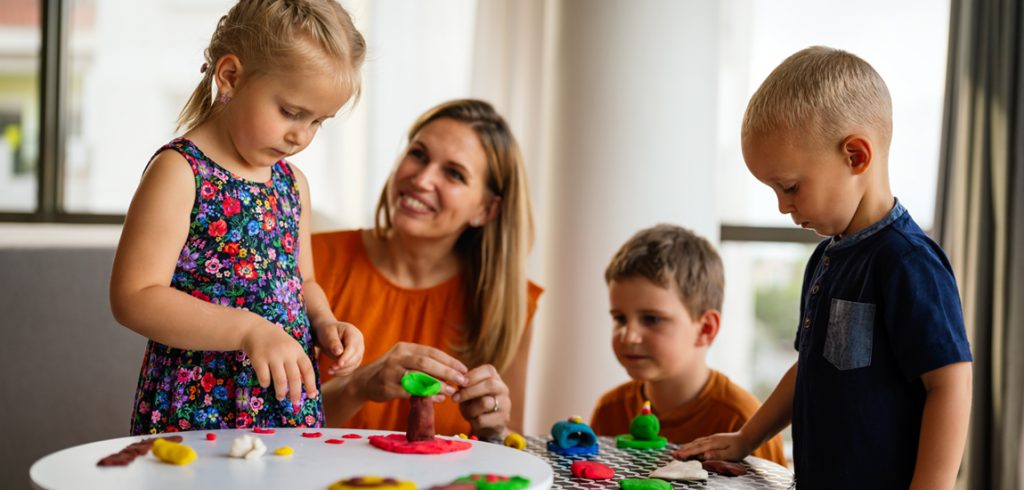
Creating a Friendly and Creative Environment for Children
When it comes to nurturing children, providing a friendly and creative environment is key to supporting their growth, development, and overall well-being. Whether at home, in school, or in community settings, here are some essential elements that contribute to creating such an environment:
1. Safety and Security
First and foremost, children thrive in environments where they feel safe and secure. This includes physical safety, emotional security, and a sense of belonging. Creating predictable routines, setting clear boundaries, and offering reassurance help children feel comfortable and confident to explore and learn.
2. Positive Relationships
Strong relationships with caregivers, educators, and peers lay the foundation for a friendly environment. Children learn best when they feel valued, respected, and understood. Encouraging open communication, active listening, and empathy fosters trust and strengthens bonds, allowing children to express themselves freely and develop social skills.
3. Stimulating Materials and Spaces
A creative environment stimulates children’s imaginations and encourages exploration. Providing age-appropriate toys, books, art supplies, and outdoor spaces allows children to engage in hands-on learning and express their creativity. Flexible and adaptable spaces that can be rearranged for different activities promote curiosity and problem-solving skills.
4. Encouragement of Curiosity and Exploration
Children are naturally curious and thrive when given opportunities to explore their interests. Encouraging questions, providing opportunities for hands-on experiences, and supporting experimentation help children develop critical thinking skills and a love for learning. Celebrating their discoveries and efforts nurtures their self-esteem and motivation to learn.
5. Play-Based Learning
Play is essential for children’s development as it promotes social skills, emotional regulation, and cognitive abilities. A friendly environment incorporates play-based learning where children learn through play, whether it’s pretend play, constructive play with blocks, or cooperative play with peers. Play encourages creativity, problem-solving, and resilience.
6. Flexibility and Adaptability
Every child is unique with their own pace of development and learning style. A friendly environment embraces flexibility and adapts to meet individual needs. Offering choices, recognizing strengths, and providing personalized support ensure that every child feels valued and empowered in their learning journey.
7. Celebration of Diversity
A welcoming environment celebrates diversity in all its forms—cultural, linguistic, and developmental. Recognizing and respecting differences promote empathy, inclusivity, and a sense of community among children. Exposure to diverse perspectives enriches learning experiences and prepares children to thrive in a multicultural world.
Conclusion
Creating a friendly and creative environment for children is fundamental to supporting their holistic development. By prioritizing safety, fostering positive relationships, providing stimulating materials, encouraging curiosity, embracing play-based learning, being flexible, and celebrating diversity, we empower children to explore, learn, and grow to their fullest potential. Together, we can create environments where children feel valued, inspired, and eager to discover the world around them.


